
Best 5 Winter Treks in India
Winter completely transforms the Indian Himalayas. Snow-covered forests, frozen lakes, white alpine meadows and clear mountain views make the colder months an exciting time for trekking. If you are searching for the best winter treks in India, there are several destinations to choose from, ranging from relatively accessible snow trails to demanding high-altitude winter expeditions.
For this guide, we have selected five different experiences: Kedarkantha, Brahmatal, Dayara Bugyal, Sandakphu and Chadar Trek. Whether you are planning your best winter trek in India or looking for a more challenging Himalayan adventure, this guide covers the essential information you need.
1. Kedarkantha Trek – Best winter trek in India
Location: Uttarakhand
Base Village: Sankri
Altitude: Approximately 3,800 m
Trek Distance: Approximately 20 km
Duration: 6 days
Difficulty: Easy to Moderate
Kedarkantha is one of India’s most popular winter snow treks, particularly among first-time Himalayan trekkers.
The trek begins from Sankri and passes through dense forests, snow-covered camps and mountain ridges before reaching the Kedarkantha summit. Uttarakhand Tourism lists the trek at approximately 20 km, reaching about 3,800 metres, with an easy-to-moderate trekking profile.
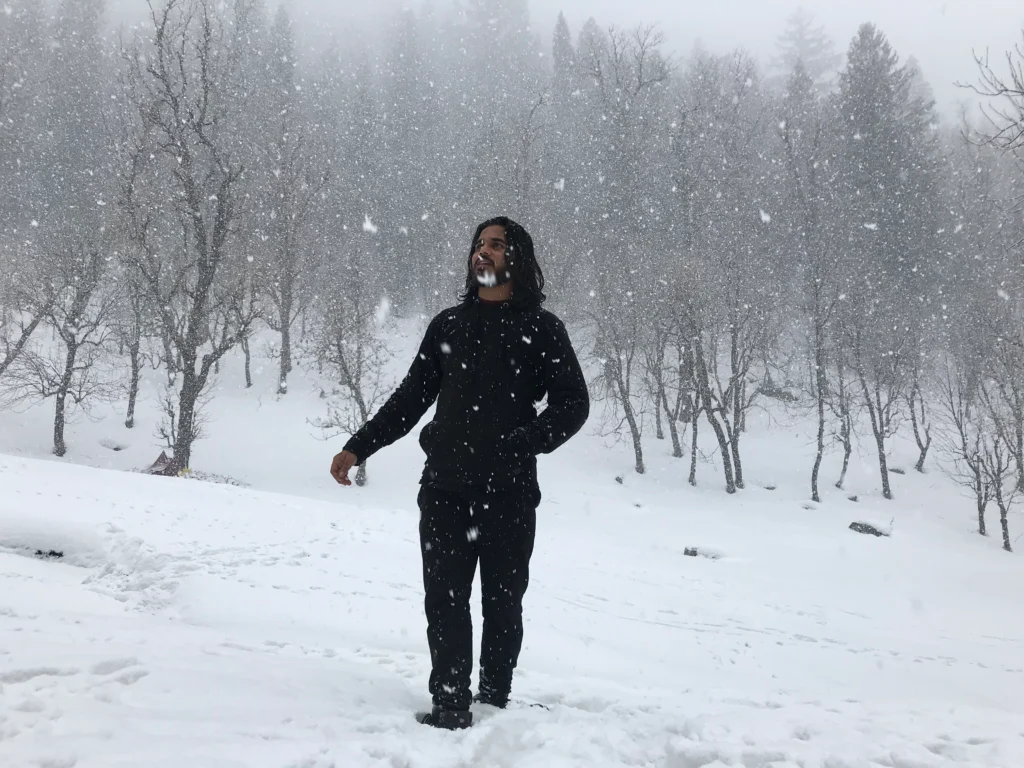
The winter landscape is one of its biggest attractions. Pine and oak forests can become covered in snow, while the higher sections provide expansive Himalayan views.
Why Choose Kedarkantha?
Kedarkantha combines several elements that make a winter trek memorable:
- Snow-covered forests
- Juda Ka Talab
- Winter camping
- Summit climb
- Himalayan sunrise
- Panoramic mountain views
From the summit, trekkers can see surrounding peaks including Swargarohini, Bandarpoonch and Kala Nag in favourable conditions.
Who Should Choose It?
Kedarkantha can be a good option for beginners who want a proper multi-day snow trek and summit experience, provided they have adequate fitness and suitable winter equipment.
2. Brahmatal Trek – Snow, Lakes and Himalayan Views
Location: Chamoli, Uttarakhand
Base: Lohajung
Altitude: Approximately 3,734 m
Distance: Approximately 21 km
Duration: Around 4 days
Difficulty: Easy to Moderate
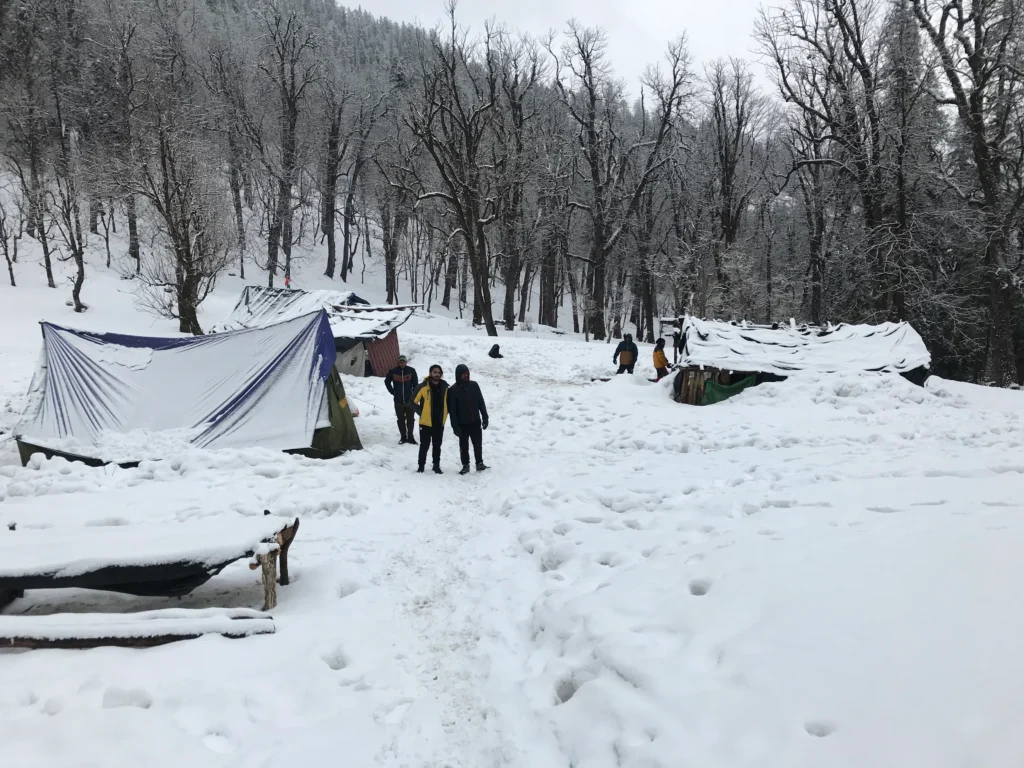
Located in the Garhwal Himalayas, the trek takes you through oak and rhododendron forests, alpine lakes and snow-covered terrain. Uttarakhand Tourism lists Brahmatal at 3,734 metres with a trekking distance of approximately 21 km.
The route is particularly attractive because of its combination of snow, forests, lakes and mountain views.
Brahmatal Trek Highlights
- Snow-covered trails
- Alpine lakes
- Dense oak and rhododendron forests
- Mountain ridges
- Views of Mt. Trishul and Nanda Ghunti
- Winter camping
Uttarakhand Tourism describes Brahmatal as a winter trek with panoramic views of peaks such as Mt. Trishul, Nanda Ghunti and Mt. Neelkanth.
Who Should Choose Brahmatal?
It is suitable for trekkers who want a classic Himalayan snow experience and are comfortable with several days of walking at altitude.
3. Dayara Bugyal Trek – A Snowy Himalayan Meadow
Location: Uttarkashi, Uttarakhand
Base: Raithal or Barsu
Distance: Approximately 21 km on the Raithal route
Duration: Around 4–6 days depending on itinerary
Difficulty: Easy to Moderate
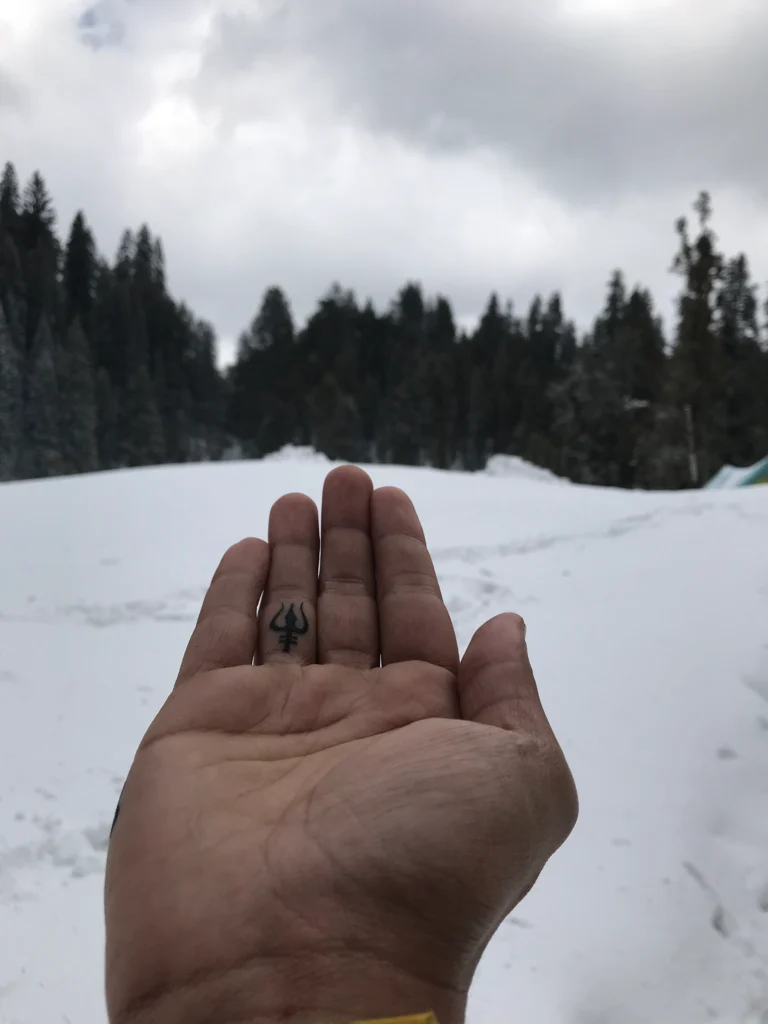
The word Bugyal refers to a high-altitude meadow. During winter, Dayara’s rolling meadows can become covered with snow, creating a dramatic white landscape.
The official Uttarakhand Tourism winter itinerary describes the experience as a snow-covered expanse, while its standard Raithal route is approximately 21 km and graded easy to moderate.
Why Visit Dayara Bugyal in Winter?
The highlight is the enormous open meadow surrounded by Himalayan peaks. The route also passes through forested sections before opening into the expansive Bugyal.
Dayara Bugyal Highlights
- Snow-covered alpine meadow
- Oak and rhododendron forests
- Himalayan mountain views
- Winter camping
- Photography opportunities
- Peaceful mountain environment
Dayara also has a long association with winter sports and skiing because of its gently undulating snow-covered terrain.
Who Should Choose Dayara Bugyal?
This is an attractive option for beginners, photographers and travellers who prefer wide-open snowy landscapes rather than a technically demanding trek.
4. Sandakphu Trek – Spectacular Himalayan Panoramas
Location: West Bengal
Region: Singalila Ridge
Altitude: Approximately 3,636 m
Duration: Around 5–7 days
Difficulty: Moderate
Sandakphu offers a different type of winter trekking experience.
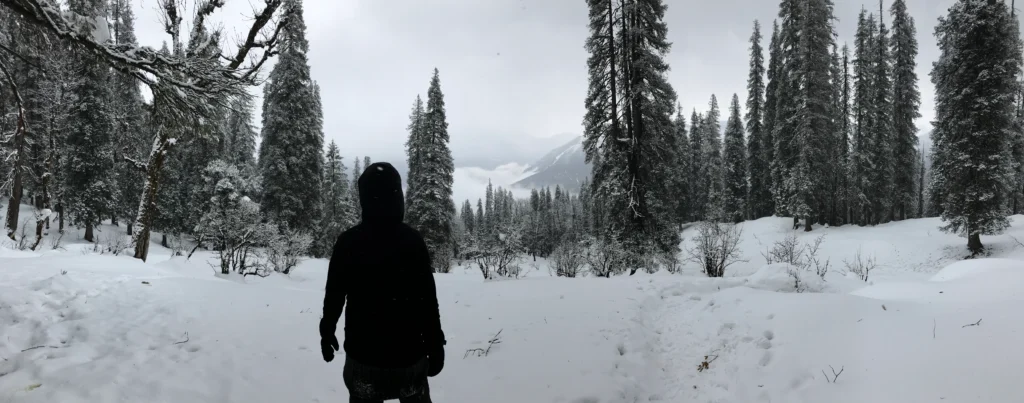
Located along the Singalila Ridge, the trek is particularly famous for its panoramic Himalayan views. On clear days, the region provides views toward some of the world’s highest mountains, including Everest, Kanchenjunga, Lhotse and Makalu.
The route also passes through forests, mountain villages and high ridges, making it an excellent choice for travellers who want both scenery and cultural experiences.
Sandakphu Trek Highlights
- Himalayan panoramic views
- Kanchenjunga massif
- Mountain villages
- Forest trails
- Sunrise and sunset views
- Snow-covered sections during suitable winter conditions
Who Should Choose Sandakphu?
Sandakphu is a good choice for trekkers who are particularly interested in mountain photography and panoramic Himalayan views.
5. Chadar Trek – Walk Across a Frozen River – Another best winter trek in India
Location: Ladakh
Region: Zanskar
Main Attraction: Frozen Zanskar River
Difficulty: Difficult
Typical Season: Winter, subject to current operating and weather conditions

The Chadar Trek is unlike almost any other winter trek in India.
Instead of simply trekking through snow-covered forests or meadows, the traditional route involves travelling along sections of the frozen Zanskar River in Ladakh.
The name “Chadar” refers to the sheet of ice that forms over the river during sufficiently cold conditions.
What Makes Chadar Trek Unique?
The route combines:
- Frozen river surfaces
- Dramatic canyon walls
- Frozen waterfalls
- Remote Himalayan landscapes
- Extreme winter conditions
However, Chadar should not be treated as a beginner snow trek. Temperatures can be extremely low and ice conditions can change depending on weather and river conditions.
Who Should Choose Chadar?
It is better suited to trekkers who are physically prepared for demanding winter conditions and are travelling with experienced local/qualified support.
Comparison of the Best 5 Winter Treks in India
| Trek | Location | Approx. Altitude | Difficulty | Main Attraction |
|---|---|---|---|---|
| Kedarkantha | Uttarakhand | 3,800 m | Easy–Moderate | Snow + Summit |
| Brahmatal | Uttarakhand | 3,734 m | Easy–Moderate | Snow + Lakes |
| Dayara Bugyal | Uttarakhand | Varies by route | Easy–Moderate | Snow Meadows |
| Sandakphu | West Bengal | ~3,636 m | Moderate | Himalayan Views |
| Chadar Trek | Ladakh | Varies by route | Difficult | Frozen River |
Exact distance, altitude, duration and difficulty can vary according to the route, itinerary and current conditions.
Perfect time to experience best winter trek in India
The best time for a winter trek depends on the destination and annual snowfall.
For many Himalayan snow routes, December to February is the core winter season, while some higher-altitude destinations can remain snowy into March or later.
December
December marks the beginning of the main winter trekking season for many destinations. Snow conditions can vary significantly between locations.
January
January generally brings deeper winter conditions and can provide excellent snow experiences on suitable Himalayan routes.
February
February remains a popular period for snow trekking, although conditions vary by altitude and weather.
March
March can still offer snow at higher elevations, while lower sections of many routes begin transitioning toward spring.
Important: Snowfall is not guaranteed on a fixed date every year. Always check current weather, road access and trail conditions before travelling.
Best Winter Treks in India for Beginners
If this is your first Himalayan winter trek, consider your fitness, previous trekking experience and ability to handle cold and altitude.
Kedarkantha
A popular option for beginners because it combines a manageable multi-day route with a summit experience. Uttarakhand Tourism describes it as an easy option for beginners.
Dayara Bugyal
The route is graded easy to moderate by Uttarakhand Tourism and offers a combination of forests and broad snowy meadows.
Brahmatal
A winter-focused route with snow-covered terrain, forests and alpine lakes. Uttarakhand Tourism describes it as suitable for both beginners and experienced trekkers.
For a first trek, it is better to choose based on current conditions and your fitness, rather than simply choosing the trek with the lowest stated difficulty.
Winter Trekking Packing List
A good packing list is essential for a comfortable and safer winter trek.
Clothing
- Thermal base layers
- Fleece jacket
- Insulated/down jacket
- Waterproof or windproof outer layer
- Warm trekking trousers
- Woollen socks
- Waterproof gloves
- Woollen cap
- Neck warmer
Trekking Equipment
- Waterproof trekking shoes
- Trekking poles
- Backpack
- Headlamp
- Sunglasses
- Sunscreen
- Water bottle
- Power bank
- Personal first-aid supplies
- Necessary personal medication
For snowy trails, your trek operator may recommend additional equipment such as traction aids depending on current trail conditions.
Essential Tips for Winter Trekking in India
1. Build Your Fitness
Begin walking, stair climbing and cardiovascular exercises several weeks before your trek.
2. Dress in Layers
Layering makes it easier to regulate your body temperature as the weather changes.
3. Carry Proper Footwear
Snow and ice require shoes with suitable grip and weather protection.
4. Stay Hydrated
Cold weather can reduce your perception of thirst, so remember to drink regularly.
5. Protect Your Eyes and Skin
Snow reflects sunlight strongly. Carry good sunglasses and sunscreen.
6. Acclimatize Properly
At higher elevations, give your body enough time to adjust and don’t ignore symptoms such as persistent headache, dizziness, nausea or unusual breathlessness.
7. Check the Latest Trail Conditions
Weather and snow conditions can change quickly in the Himalayas. Check the latest local information before starting your trek.
Why Winter Trekking in India Is Worth Experiencing
Winter gives the Indian Himalayas a completely different appearance.
Forests can turn white, alpine meadows disappear beneath snow, lakes can freeze and mountain peaks become even more dramatic against the winter sky.
The experience is not only about snow. Winter trekking can also provide opportunities to experience:
- Himalayan villages
- Local culture
- Mountain photography
- Snow camping
- Alpine landscapes
- Sunrise and sunset views
- Peaceful mountain trails
Uttarakhand Tourism currently lists several winter trekking experiences, including Kedarkantha, Brahmatal and Dayara Bugyal, among its trekking destinations.
Frequently Asked Questions
What are the best winter treks in India?
Some popular winter trekking options include Kedarkantha, Brahmatal, Dayara Bugyal, Sandakphu and Chadar Trek. Each offers a different experience, from beginner-friendly snow trekking to demanding frozen-river trekking.
Which is the best winter trek in India for beginners?
Kedarkantha and Dayara Bugyal are relatively approachable choices for beginners with reasonable fitness and appropriate equipment. Current snow and weather conditions should always be considered.
Which winter trek has the most snow?
Snowfall varies every year. Kedarkantha, Brahmatal and Dayara Bugyal can all experience significant snowfall, but actual snow depth depends on the season and weather.
Can beginners do winter treks?
Yes. Several Himalayan winter treks are suitable for beginners, but beginners should choose a route appropriate to their fitness and experience and use qualified guidance where appropriate.
What are the best winter treks in India in January?
January is generally a strong winter period for destinations such as Kedarkantha, Brahmatal and Dayara Bugyal, subject to current weather and trail conditions.
What should I carry for a winter trek?
Carry thermal layers, an insulated jacket, waterproof trekking shoes, gloves, warm socks, sunglasses, sunscreen, trekking poles, a headlamp, water bottle and basic first-aid supplies.
Final Thoughts
The best winter treks in India offer very different experiences.
Kedarkantha combines snow-covered forests with a summit experience, Brahmatal adds alpine lakes and mountain views, and Dayara Bugyal offers expansive snowy meadows. Sandakphu is ideal for panoramic Himalayan scenery, while Chadar Trek provides the unusual experience of trekking along a frozen river.
Before booking your winter adventure, consider your fitness, trekking experience, preferred landscape, altitude and tolerance for extreme cold.
With proper preparation and the right equipment, winter can be one of the most memorable seasons to explore the Indian Himalayas.
Pingback: Kedarkantha Trek: Complete Itinerary, Altitude, Cost & Trek Guide - Ramaish